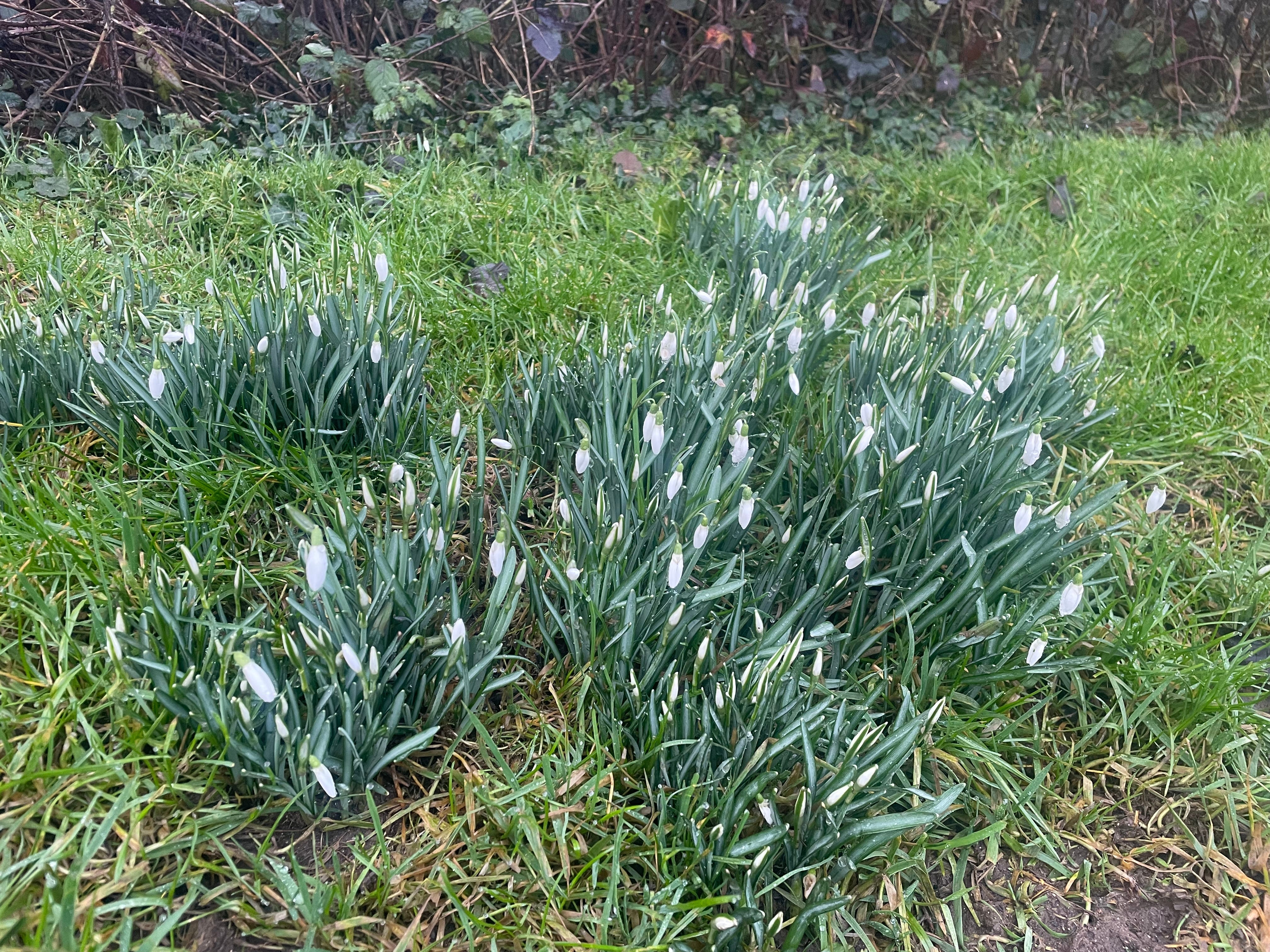
Friction
February

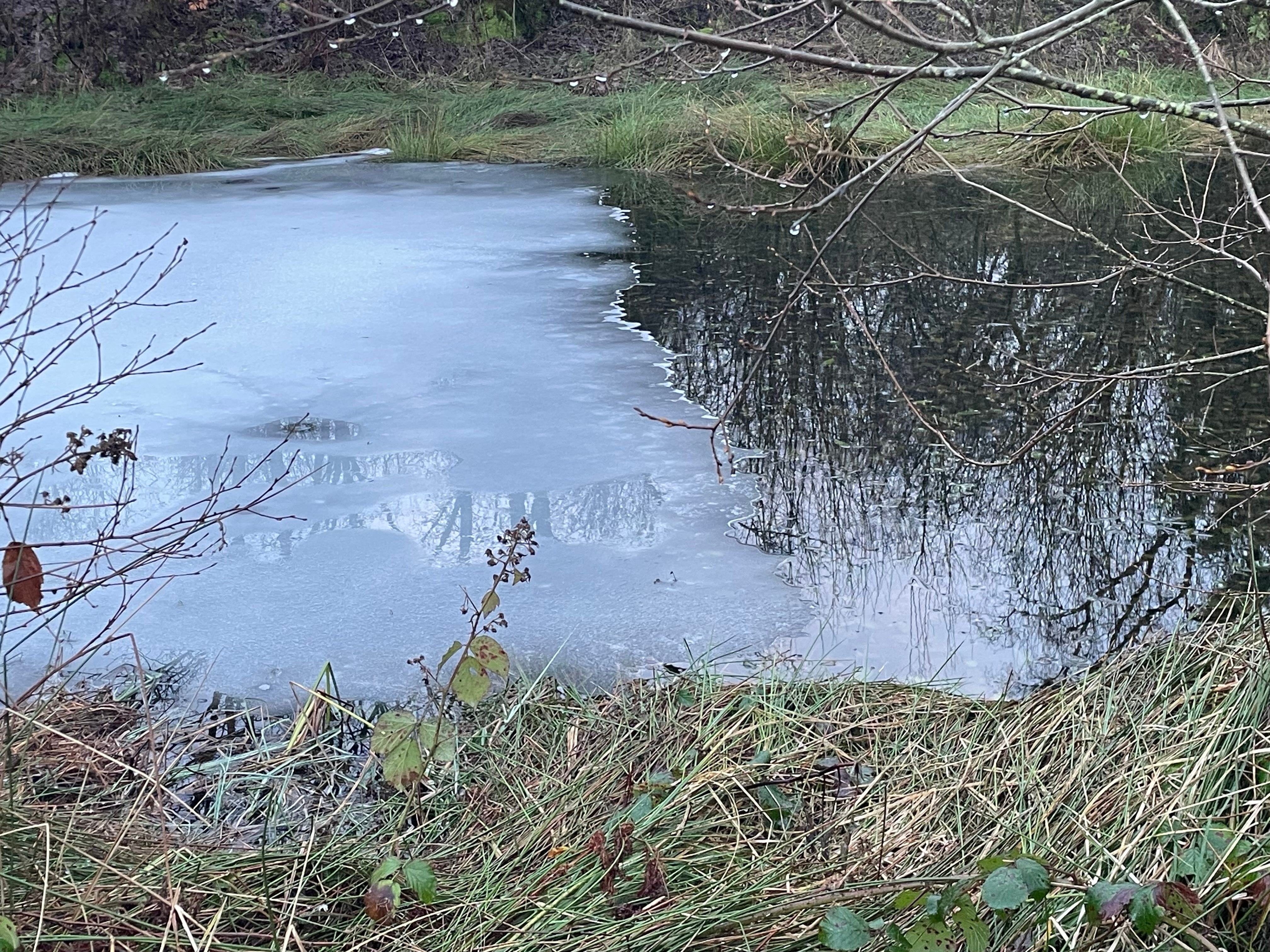
I took a writer for a walk in the rain today. My fingers grew cold so I avoided pulling out my phone to take pictures. I had hoped for a circular route along the river, but of course we had to turn back when we hit the flood meadow. I started to wonder if there was anything I could have done to make the experience less challenging for us both, to be more comfortable, overcome the obstacles, invoke the warmth of a summer’s stroll or the thrill of a mountain hike. To avoid stumbling through deep puddles. I wanted to smooth things out.
My urge to reduce winter-walk friction reminded me of an interesting podcast I listened to this week likening AI tools to electronic bikes. The point the speaker (pleasingly named Josh Brake) makes is that both e-bikes and AI act to reduce friction and instead boost the human effort put into an activity. In some circumstances this is a great benefit. For example, someone with a physical disability or impairment may not be able to pedal themselves up a hill on a pushbike, but is still able to get outdoors to experience nature and some gentle exercise with the aid of the motor, while someone in a hurry could hop on the e-bike rather than taking the car, avoiding traffic issues and reducing pollution. Similarly, for neurodivergent writers, AI tools might be the vital assistance required to parse words and organise ideas, and for a harried employee submitting a board report, artificial intelligence might be just the ticket to hit a deadline and deploy the appropriate corporate language.
In other instances, the same technological enhancement is a disadvantage. For anyone aiming to increase their cardiovascular fitness or feel the achievement of reaching a hilltop under their own steam, the e-bike might be considered a major fail; and for a writer who enjoys reaching for words, who wants to learn more about their craft, and who recognises the delicate interplay between practice, error, editing, and a finished piece, the opportunity to outsource most of the processs risks smoothing away everything that makes it worthwhile (not to mention the other ethical considerations around the harvesting of copyright material to build Large Language Models for AI).*
In the end, our walk was a joy. The geese on the flood meadow paddled over to greet us. We pulled our coat collars around our necks, talking about the pleasure of writing longhand and the need to recognise that any project takes time, requiring steps around and backwards, as well as towards a goal. Feeling chilly and damp for a short period is a privilege too: it scrapes back our velvety days of central heating and comfort. How else do we feel fully human? How else do we grow a little or learn how to react to adversity? A little friction is where a sentence breaks open or we find we are warmed, not by the sunshine, but by a sense of satisfaction.
*As a small act of writerly resistance this week, I have added my name to a class action against the AI company Anthropic. The AI company has agreed to pay a settlement to copyright holders over the use of books to train their Large Language Models, and my first academic monograph was amongst the database of texts involved. My first thought, when I realised my niche doctoral research was being used as fodder for Claude was ‘God help the LLMs.’ Confusingly, though, the case isn’t actually about using books to train AI without permission, payment or credit to their creators; it’s about the fact Anthropic sourced these books from pirate databases. The idea that published works can be mined for AI machines without any transaction with the creator required is still up for debate and does not yet cross a legal line.