Smeuses
July

We’ve been sleeping in a tent in the garden on some of the hotter nights of this British heatwave. One of the benefits of having just a sheet of canvas between you and the outside world is hearing the sound of various critters passing by. The big cat is one of them, of course, busy doing his rounds and inspecting the perimeter (occasionally joining us for the odd snooze under cover). I always imagine there are a couple of hedgehogs pottering after him, double checking everything is secure, although we have little proof of them ever visiting our patch of land. We can hear muntjac deer barking in the distance, and if we’re lucky a barn owl swoops through the treetops, screaming. The pigeons are the most disruptive pilgrims though, flapping noisily in overhead branches at 5am as if they are shaking out a series of filthy blankets before moving on to their next destination.


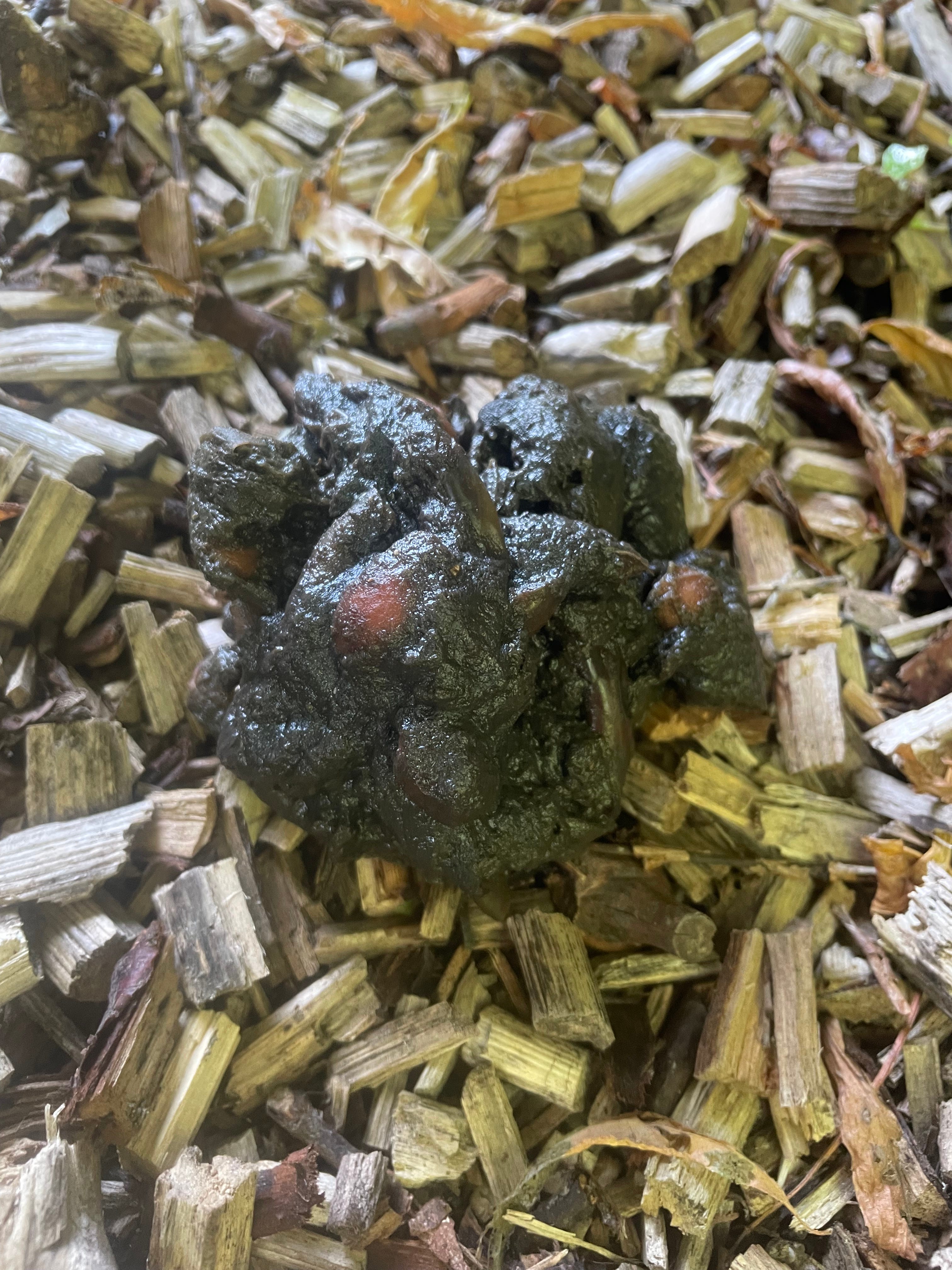
Excitingly, some of the rustling and snuffling we heard in our half-consciousness this week may have been a badger. There has been evidence deposited to support this theory, both on a patch of grass by my writing shack and on the front path. I’ve encountered these creatures close to home before. I once came face to snout with a badger leaving a late-night party on a steep street in Bath. We stared at each other, both slightly awkward to be caught out and about before dawn. She was smaller than I had expected, probably a cub living in one of the sets dug into the hillside of the nearby urban park. She didn’t seem scared or angered by our meeting and after a while she simply trundled past me and continued on her way.
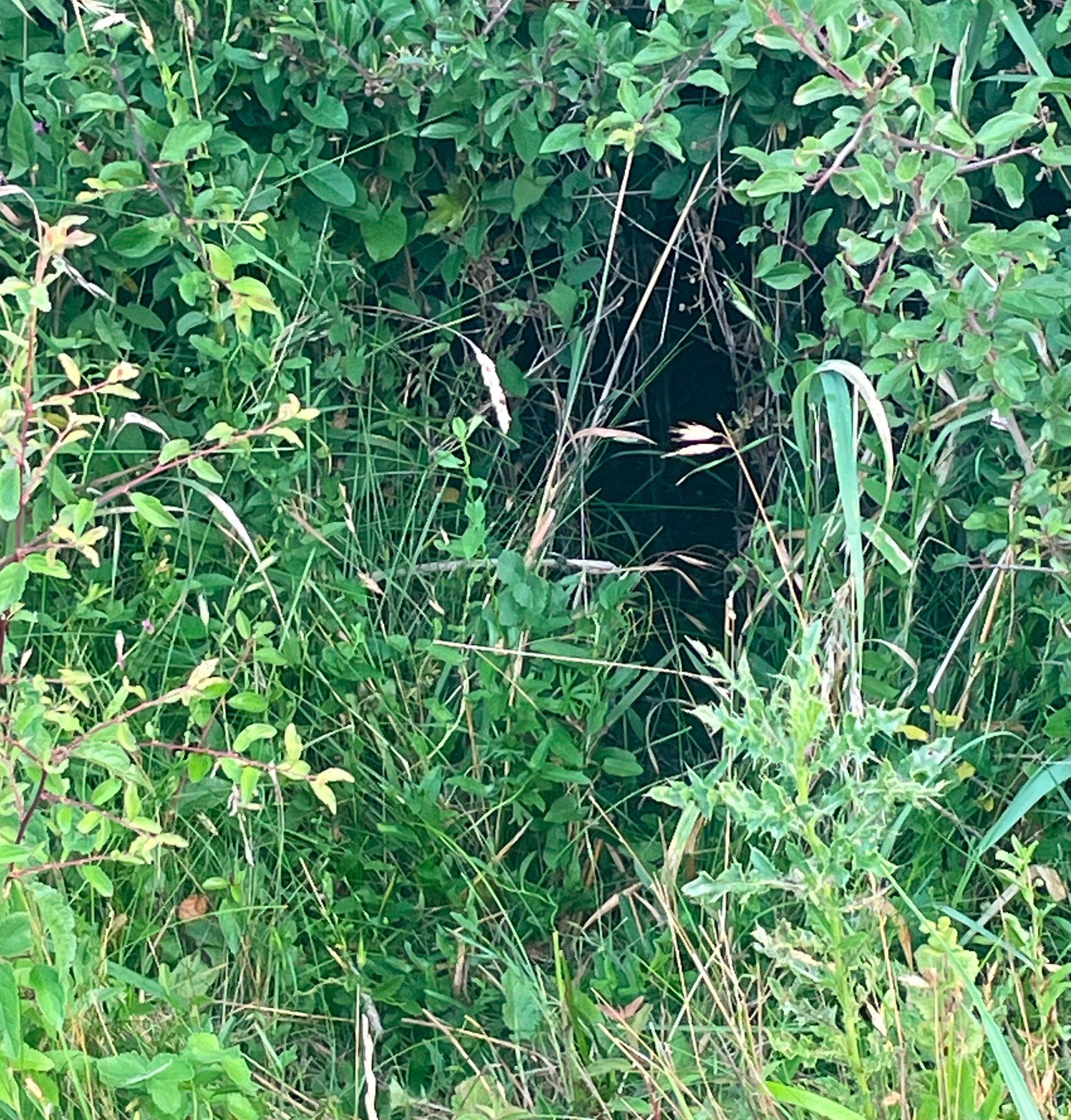
I like the idea of a badger using our garden as a cut through. Most often, I see traces of their movements in the surrounding fields, trails tacking off the footpath and into undergrowth. These unofficial tracks make little portals into hedgerows, known as smeuses – a wonderful word linked to the Middle French verb musser (to hide). Smeuses, sometimes known as smoots, are made by badgers, foxes, hares, even hedgehogs and are glimpses into hidden places that humans can rarely reach. Human walkers are too big to take those paths, too lumbering to enter those territories. They remind us that birds, animals and insects traverse space differently to us. Sometimes we meet them (or their droppings) on the common road or within the bounds of our own property; in other moments they slip away.