
World Book Day
March

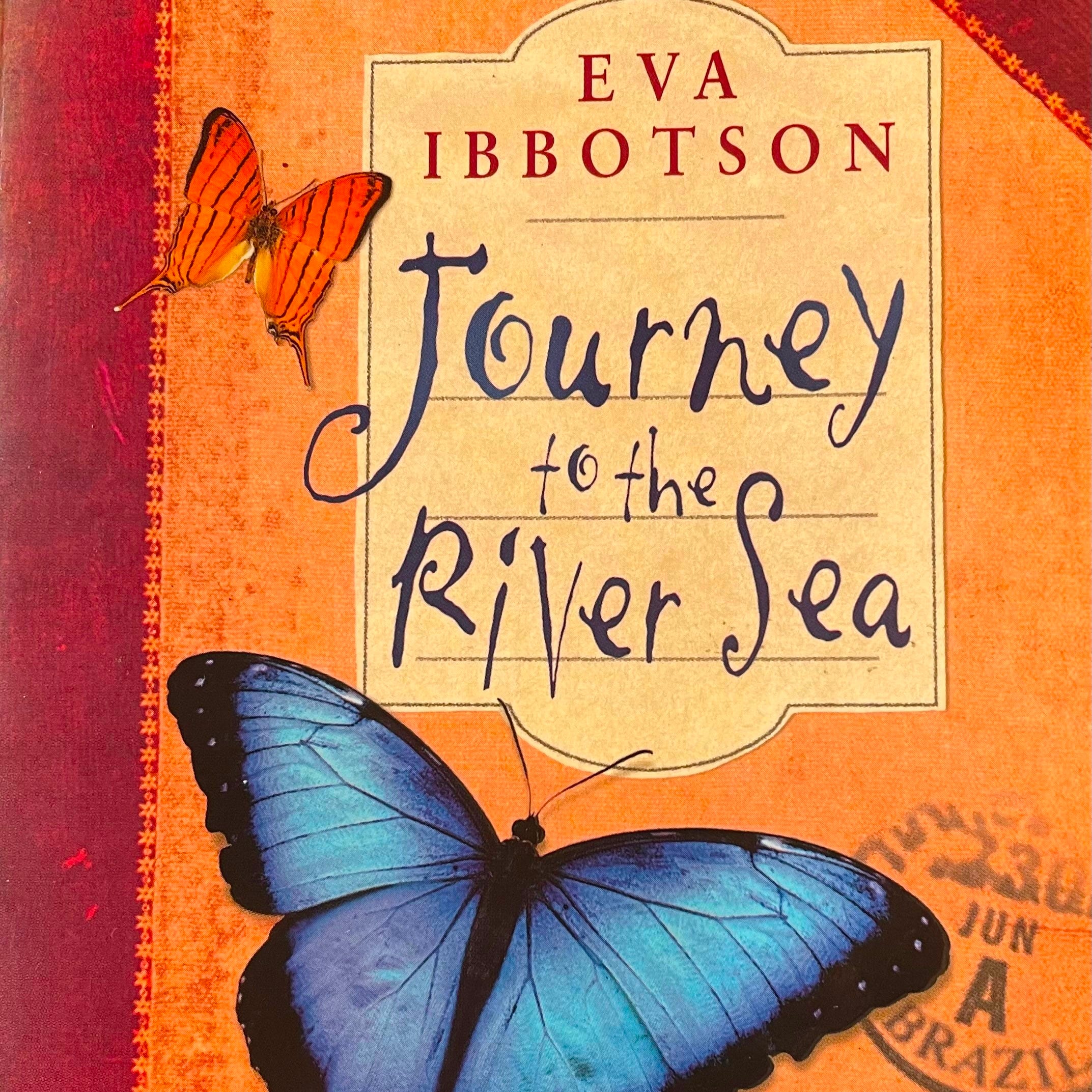
Were I to have fashioned a costume for World Book Day yesterday, I might have chosen to dress up as Miss Arabella Minton from the children’s novel Journey to the River Sea. Eva Ibbotson’s fictional Edwardian governess is bony, thin-lipped, and has eyes ‘the colour of mud.’ I can work with that. More importantly, I could have also crafted a giant tin trunk - the only luggage Arabella takes as she accompanies Maia, her young orphan ward, on a journey to live with distant relatives in Brazil - which is almost entirely full of books. Miss Minton or ‘Minty’ appears strait-laced and ordinary to begin with, but she soon reveals herself to be a rather formidable and well-educated adventurer. Putting together an Arabella Minton costume, it would be impossible to miss her lively spirit - although she arrives to greet Maia dressed in a standard corseted black dress, she also sports a hat pin she admits is modelled on ‘a Viking spear’ and carries an umbrella with a handle ‘like the beak of a bird of prey.’
Bookish walkers, travelling readers. These may not appear as the most obvious literary heroes, but they speak to my personal World Book Day fantasies. Anne of Green Gables, Miss Lucy Honeychurch and Elizabeth Bennett are a few that I felt some affinity with as a young woman, but increasingly I enjoy the representation of older female characters whose appeal comes, not from their youthful gaze on a world opening up to them, but from their determined pleasure in grabbing experiences and purpose at every opportunity. Minty has the duties and worries of a demanding job, but Ibbotson also shows how she is invigorated by the flora and fauna she discovers daily as she explores her new environment. When disaster hits the stuffy bungalow of their awful hosts, Maia and her governess escape into the jungle up the Guainía River. On one boat trip, Minty spots a rare Hahnet’s Swallowtail butterfly trapped in spiderweb and carefully retrieves it to offer to the local museum. And in a symbolic move, shethrows her corset into the river and begins to dream of a life as an explorer-naturalist: trekking to remote settlements, navigating the waterways, studying and collecting as she goes.


I wonder if Arabella Minton was at all inspired by another Arabella – the fin-de-siecle writer Arabella Buckley – who did not travel widely, but brought butterflies and spiders and all the world of natural science to life for children in books like Eyes and No Eyes, encouraging young people to ‘observe, to bring in specimens, and to ask questions.’ She is rather gleeful in her descriptions, which seem benign at first but soon transform the British countryside into its natural tooth and claw:
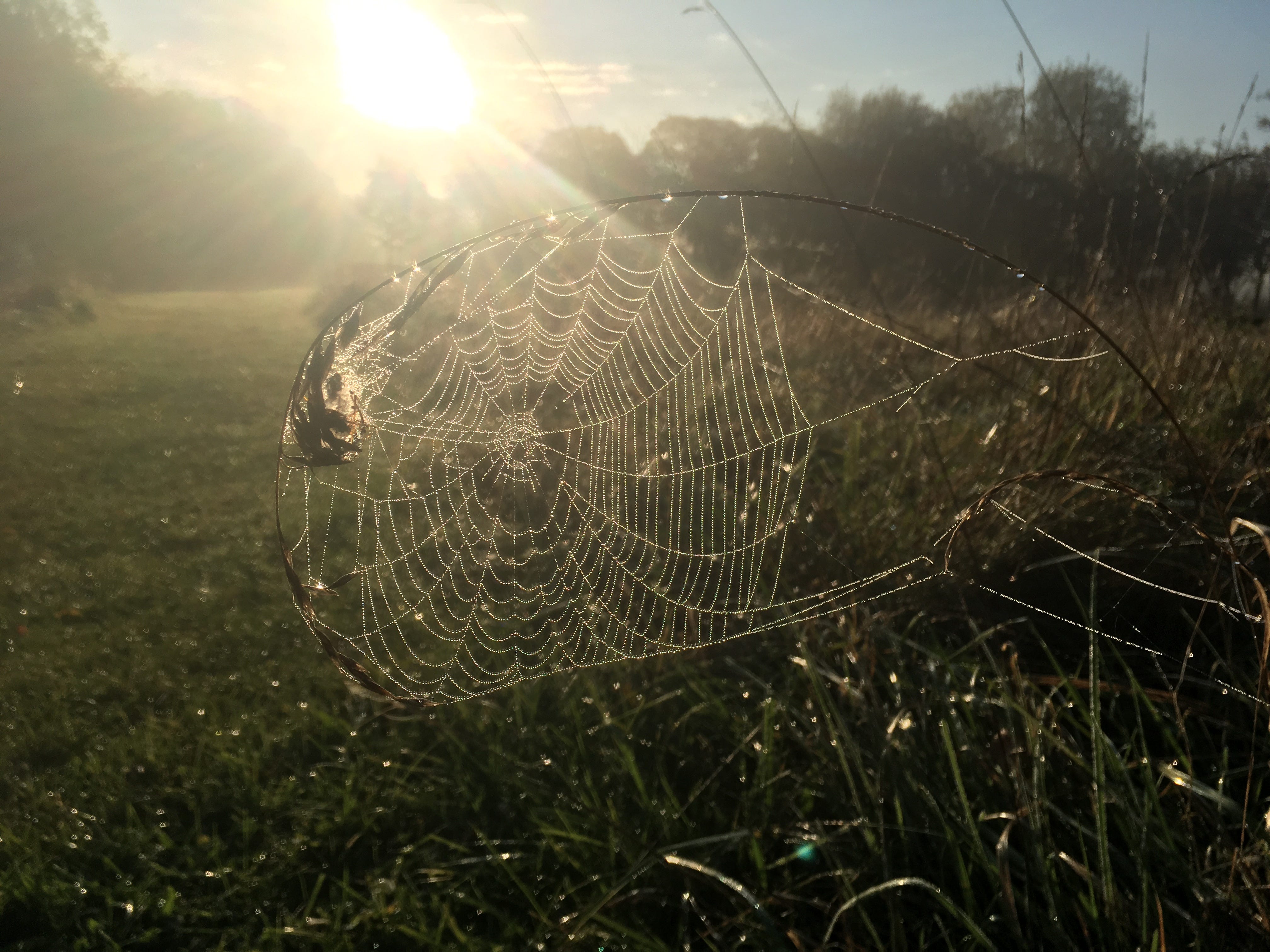
When we cross the common on a fine summer morning, we see many spiders’ webs sparkling in the sun. The webs on the gorse bushes are round…There are drops of gum all over the rings. It is these drops which sparkle like diamonds, and make the web so pretty….We saw a little bee to-day fly right against the web on the gorse bush. Out came the spider from her tent. She bit the bee with her sharp fangs, tore off its wings, and then sat and sucked the juice out of its body.
Or perhaps Minty is a South American counterpart to Mary Kingsley, the Victorian ethnographer who roamed widely and fearlessly in West Africa with just one smart dress for formal occasions (she writes, in Travels in West Africa, that ‘after being in West Africa some little time, particularly if you have been away in the bush, your wardrobe is always in a rarefied state’). Kinsley relished her chance to scrutinise and beautifully describe the people and creatures of ‘Congo Français, Corisco and Cameroons,’ but also often took the chance to offer sharp commentary on British colonial endeavours:
The very earth is a velvety red brown, and the butterflies— which abound — show themselves off in the sunlight, in their canary-coloured, crimson, and peacock-blue liveries, to perfection. After five minutes* experience of the road I envy those butterflies. I do not believe there is a more lovely road in this world, and besides, it’s a noble and enterprising thing of a Government to go and make it, considering the climate and the country; but to get any genuine pleasure out of it, it is requisite to hover in a bird- or butterfly-like way, for of all the truly awful things to walk on, that road, when I was on it, was the worst.
Anyway, if my workplace had encouraged us to don a literary outfit for World Book Day, which sadly it didn’t, I might have taken as my muses all these studious travellers. I would have thrown out my corset, picked up a trunk of books, and stomped off into the wilderness to search for spiderwebs.
I am very much on board with this costume and source of inspiration!